Personalized Medical Care & Dedicated International Patient Concierge


Specialty Overview
Sleep Disorder Treatment
Sleep disorders are conditions that interfere with normal sleep — difficulty falling or staying asleep, abnormal breathing during sleep, abnormal movements, or unusual behaviours during sleep.
Schedule a ConsultationSleep Disorder Treatment at Seoulhoho Hospital in Seoul

Medically reviewed by Dr.Ho-Sang Yoon, MD, Board-certified Neurologist
Sleep disorder treatment in Seoul at Seoulhoho Hospital is built around one unusual asset for an outpatient clinic: an overnight sleep laboratory on the premises, with the recording read by the neurologist who ordered it. Sleep disorders are conditions that interfere with normal sleep — difficulty falling or staying asleep, abnormal breathing during sleep, abnormal movements, or unusual behaviours during sleep. The clinic is in Gangdong-gu, Seoul, and sleep medicine is one of its two declared subspecialty focuses.
What Is Sleep Disorder Treatment?
The service is a neurology-led evaluation of disturbed sleep, with testing where testing is warranted.
Initial assessment covers sleep symptoms and medical history.
Polysomnography may be used where a sleep-related breathing disorder, movement disorder, REM sleep behaviour disorder, or another abnormal sleep condition is suspected.
Sleep testing records brain activity, breathing, oxygen saturation, heart rate, movements, and other sleep-related signals.
The clinic evaluates insomnia, snoring and suspected sleep apnoea, restless legs syndrome, and REM sleep behaviour disorder.
Physician interpretation of sleep and EEG data is provided.
The primary benefit is diagnostic clarification and treatment planning rather than a cure produced by the study itself. NHLBI's account of sleep studies makes the same point about what the test is for: polysomnography measures how well a person sleeps and how the body responds to sleep problems, and it helps a doctor diagnose sleep-related breathing disorders, sleep-related seizure disorders, movement disorders, and conditions causing extreme daytime tiredness.
Who Performs Sleep Disorder Treatment at Seoulhoho Hospital
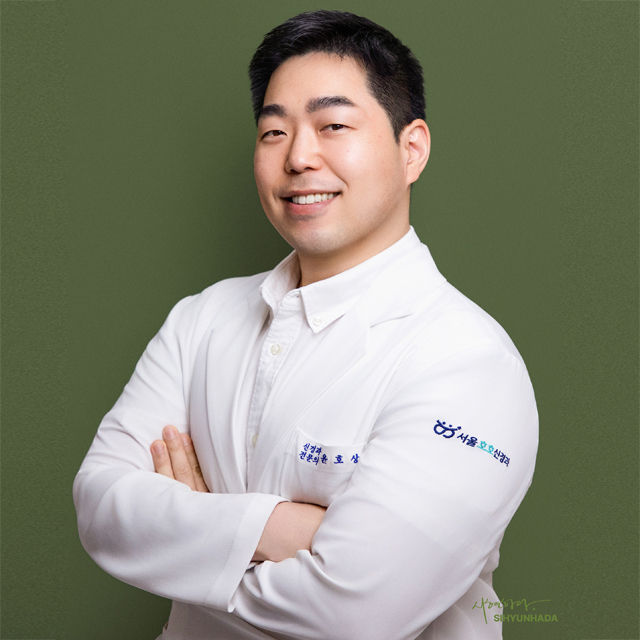
Dr. Ho-Sang Yoon
Board-certified Neurologist and Representative Director
Dr. Ho-Sang Yoon, Representative Director and Chief Neurologist, sees and assesses each patient personally. He is a neurologist specialising in sleep disorders and polysomnography, with clinical experience at the Seoul National University Bundang Hospital Sleep/Epilepsy Center, where he worked as a clinical professor in neurology.
He is a board-certified neurologist, a graduate of Dongguk University College of Medicine who completed neurology specialist training at Dongguk University Hospital, and a former clinical professor at the Seoul National University Bundang Hospital Sleep/Epilepsy Center and at Dongguk University Ilsan Hospital. He is certified as a polysomnography quality-control physician and as an EEG quality-control physician, and he is a full member of the Korean Society of Clinical Neurophysiology. He is a full member of the Korean Neurological Association, the Korean Society of Clinical Neurophysiology, the Korean Society of Neuromuscular Disorders, the Korean Association of Electromyography and Electrodiagnostic Medicine, the Korean Society of Encephalitis/Neuroinflammation, the Korean Headache Society, and the Korean Stroke Society.
Two things follow from that, and they are the reason this page is not interchangeable with a sleep-testing centre's. First, the clinic states that sleep studies and EEG are interpreted directly by a neurologist rather than passed to an outside reader. Second, sleep and epilepsy are this clinic's paired subspecialty focus, a combination it notes is uncommon locally — which matters because sleep-related seizure activity and a sleep-related movement disorder can look similar on a symptom description and quite different on a recording.
Sleep Conditions Evaluated
Condition | The symptom that usually brings a patient in |
|---|---|
Insomnia | Difficulty falling or staying asleep, frequent awakenings |
Suspected obstructive sleep apnoea | Loud snoring, witnessed pauses in breathing, daytime sleepiness |
Restless legs syndrome | Nighttime leg discomfort or an urge to move |
REM sleep behaviour disorder | Unusual movements or dream enactment during sleep |
Other abnormal sleep conditions | Unexplained fatigue, abnormal nighttime behaviour |
Treatment depends on the diagnosis rather than on the complaint. For insomnia, behavioural treatment and cognitive behavioural therapy for insomnia along with sleep-hygiene approaches are commonly used, and medication may be considered clinically. For obstructive sleep apnoea, positive airway pressure is a major treatment option, with oral appliances and other approaches considered depending on the patient.
The gap between complaint and diagnosis is wider in sleep medicine than in most fields, which is why the table above pairs each condition with the symptom rather than treating the two as the same thing. "I am exhausted" is compatible with insomnia, with untreated sleep apnoea, with a movement disorder fragmenting sleep the patient does not remember waking from, and with none of those. "I snore" is compatible with nothing more than snoring. The person best placed to describe a night is often not the patient but whoever shares the room, and the clinic's own candidate list reflects that: witnessed pauses in breathing and observed dream enactment both come from an observer rather than from the sleeper. Where such an account exists, it is worth bringing to the consultation, because it can change whether a study is indicated and which signals matter most in the recording.
Insomnia is the condition on that list where the first-line treatment is least likely to be a prescription. NHLBI describes chronic insomnia as occurring three or more nights a week for more than three months and not fully explained by another health problem, and lists a sleep diary, healthy sleep habits, and cognitive behavioural therapy for insomnia among the approaches a provider may recommend. That sequence matters for a traveller: a sleep diary and a behavioural programme are things that continue at home, so the useful output of a consultation in Seoul may be a plan rather than a treatment administered on the spot.
Who Is a Good Candidate for Sleep Disorder Treatment?
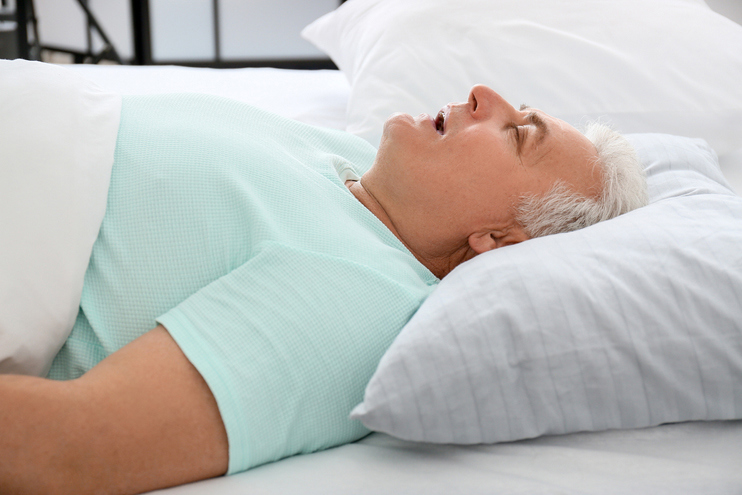
Adults with persistent difficulty initiating or maintaining sleep.
Adults with frequent awakenings.
Adults with unexplained fatigue.
Adults with loud snoring.
Adults with suspected pauses in breathing during sleep.
Adults with excessive daytime sleepiness.
Adults with unusual movements or dream enactment during sleep.
Adults with nighttime leg discomfort or an urge to move.
Not every sleep complaint requires an overnight polysomnography, and the clinic says so. For uncomplicated suspected obstructive sleep apnoea in appropriate adults, the options are polysomnography or technically adequate home sleep-apnoea testing — the study is not automatic, and part of the consultation's job is deciding whether it is warranted at all.
What to Expect: Procedure, Recovery, and Results Timeline
Consultation. Sleep symptoms and medical history are discussed.
Decide whether testing is appropriate. Polysomnography where a breathing disorder, movement disorder, REM sleep behaviour disorder, or another abnormal sleep condition is suspected.
Evening arrival. The patient comes to the sleep-testing room in the evening.
Preparation. Change into a gown; sensors are attached.
Overnight monitoring. Sleep in a private sleep room while EEG, eye movements, muscle activity, breathing, ECG, oxygen, and other signals are recorded.
Morning completion. Sensors are removed after waking.
Before testing, patients complete a sleep-symptom questionnaire, a physician consultation, or both. Because the object is to observe normal sleep, the practical instruction is to arrive prepared to sleep the night rather than to attend an appointment: avoid alcohol and caffeine during the afternoon and evening, and avoid an afternoon nap, since all three alter the sleep pattern being measured.
Stage | Timing |
|---|---|
Overnight study | Evening arrival, monitored sleep, finish after waking |
Equipment removal | On waking |
Next day | Patients may work; those who are particularly tired may prefer a day off |
Results | Within several days |
Results consultation | Within several days, once the recording has been analysed |
Additional visits | Some patients need a further consultation or a second study for PAP pressure adjustment |
One overnight visit is required. There is generally no medical recovery period, because the study is a non-invasive diagnostic test — the examination is complete once the patient has woken and the equipment is off. Results are reviewed at a follow-up consultation and a treatment plan is started from the findings.
The clinic also describes a two-step process for patients who will need positive airway pressure treatment: a first-stage study to evaluate the sleep disorder and establish suitable pressure conditions, followed by a second-stage pressure-adjustment examination. For a patient travelling, that is the single most important scheduling fact on this page, because it means two nights rather than one, separated by interpretation.
Which is why the trip needs planning around the test. For an uncomplicated overnight polysomnography, the testing itself is one overnight stay at the clinic; a practical stay in Korea should also allow time for the initial consultation and the results discussion, with the exact schedule depending on appointment availability and on whether further testing or treatment follows. The clinic identifies this directly as the key consideration for international patients: whether the patient can remain in Korea long enough for the overnight study and the follow-up interpretation.
U.S. patients typically seek this evaluation while travelling in Korea when they need specialist assessment of persistent insomnia, snoring or suspected sleep apnoea, excessive daytime sleepiness, abnormal nighttime movements, or suspected REM sleep behaviour disorder. For a patient returning home, the clinic's general advice applies: request copies of the records, the test report, and a written care plan before departure, and continue recommended follow-up with providers in the United States.
Combining Sleep Disorder Treatment with Other Treatments
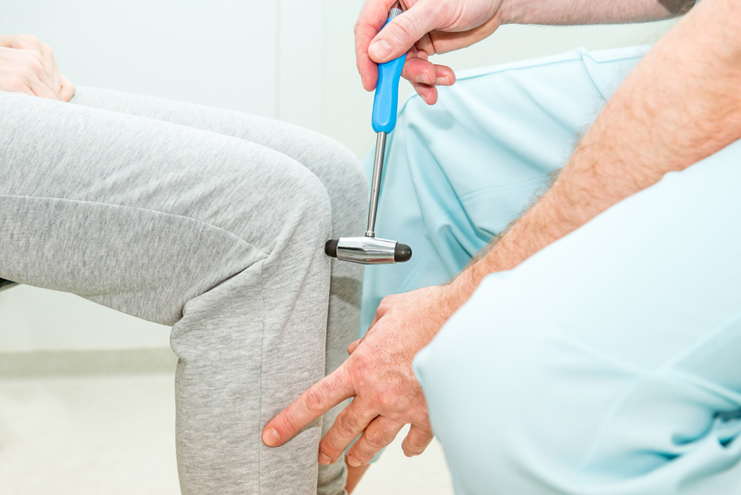
Neurology consultation plus polysomnography plus physician interpretation. The clinic's own combination, with PAP pressure-adjustment testing where clinically indicated.
Epilepsy assessment. Sleep and epilepsy are the paired subspecialty focus, and EEG is part of the overnight recording.
Autonomic function testing. Where unexplained insomnia sits alongside autonomic symptoms.
Headache assessment. Sleep disturbance and headache frequently travel together.
Internal medicine testing. Blood testing where a systemic contributor to fatigue needs excluding.
The first of those combinations is the clinic's actual model rather than a list of adjacent services, and it is worth spelling out because it is the difference between a sleep test and a sleep service. A consultation establishes what is being asked; the study answers it; the same neurologist interprets it; and where positive airway pressure is the answer, a second study establishes the pressure. Each step depends on the one before, and the handovers that usually lose information — between the clinician who refers and the centre that records, between the centre that records and the reader who reports — do not exist here.
Read more about Seoulhoho Hospital, or contact the clinic to ask whether a sleep study is the right next step for your symptoms.
Safety, Precision, and Clinic Standards
Polysomnography is non-invasive and does not expose the patient to radiation, and it is a non-painful examination in which sensors are attached to the body while the patient sleeps. The practical problems are correspondingly modest: temporary discomfort from the attached sensors, difficulty sleeping normally in an unfamiliar environment, and possible skin irritation from electrodes or adhesives. Patients should mention allergies, and the clinic notes fatigue, obesity, and allergies among the practical considerations affecting an overnight study.
The larger consideration is interpretive rather than physical. A recording has to be interpreted correctly and matched to the patient's symptoms, and a sleep study does not by itself determine a treatment outcome. That is the argument for physician interpretation: the clinic monitors multiple physiological signals simultaneously and states that the data are interpreted directly by a neurologist.
The clinic's stated risk-reduction practice is specific to overnight testing: the study is conducted in a dedicated sleep room, and the monitoring equipment is checked to confirm it is properly attached and functioning before sleep begins. The facility is described as a separate sleep room with a bed, video monitoring, basic overnight amenities, and a restroom. The recording equipment covers electroencephalography, electro-oculography for eye movement, electromyography, respiratory monitoring, a thermistor, electrocardiography, and a snoring microphone, and the clinic operates an Embla NDx (Natus) polysomnography system — named here as the equipment in use, with no regulatory or performance claim attached to it.
Consultations are supported by AI real-time translation (smart glasses), which is assistive technology and not a professional medical interpreter service. Seoulhoho Hospital is a registered medical institution in South Korea with business registration number 287-93-01985, and a Registered Medical Institution for Attracting Foreign Patients certified by the Ministry of Health and Welfare under the Medical Overseas Expansion and Foreign Patients Attraction Act. Treatment rooms are private and single-occupancy.
The equipment list is worth reading as a set of questions rather than a set of devices, because each channel exists to answer one. EEG establishes sleep stage — whether the patient was asleep at all, and in which stage, at the moment something happened. Eye-movement recording identifies REM sleep, which is what makes dream enactment assessable. Muscle activity shows movement and, in REM sleep, whether the normal loss of muscle tone is present. Respiratory monitoring and the thermistor track breathing and airflow; oxygen saturation shows the consequence; ECG shows the heart's response; and the snoring microphone provides the sound that patients report and cannot document. A recording is useful only where all of those can be read against each other, which is also why a channel that fails during the night can compromise the study — and why the clinic checks that the equipment is properly attached and functioning before sleep begins.
The clinic's broader philosophy is stated as walking together toward a life of greater balance, with empathetic diagnosis and clear explanation among its listed principles. In sleep medicine that translates into something concrete: a patient should leave the results consultation able to say what the recording showed, not only what was recommended.
What must not be claimed is set out by the clinic itself, and this page respects it: polysomnography does not cure insomnia or sleep apnoea, not every patient requires polysomnography, and treatment outcomes are not assured.
The Bottom Line
The service is a neurology-led sleep evaluation, with overnight polysomnography available on site.
The study records brain activity, breathing, oxygen saturation, heart rate, and movement, and is read directly by a neurologist.
Not every sleep complaint needs an overnight study; for uncomplicated suspected sleep apnoea, home testing is an alternative in appropriate adults.
Patients needing PAP treatment may require a second study for pressure adjustment — two nights, not one.
The test clarifies the diagnosis; it does not treat the condition.
Frequently Asked Questions
Will I definitely need an overnight sleep study?
No. Not every sleep complaint requires overnight polysomnography, and for uncomplicated suspected obstructive sleep apnoea in appropriate adults the options include technically adequate home sleep-apnoea testing. Deciding whether the study is warranted is part of the consultation rather than a formality before it.
What happens during the night?
You arrive in the evening, complete the questionnaire or consultation, change into a gown, and have sensors attached. You then sleep in a private sleep room while EEG, eye movements, muscle activity, breathing, ECG, oxygen, and other signals are recorded, with video monitoring. The sensors come off when you wake.
Is it uncomfortable?
It is non-invasive and not painful. The realistic complaints are the sensors themselves, which are noticeable, and the difficulty of sleeping normally somewhere unfamiliar — which is a recognised limitation of the test rather than a failure of it. Skin irritation from electrodes or adhesives is possible, so mention adhesive allergies beforehand.
How long before I get results?
Within several days. The diagnostic interpretation is made after the overnight recording has been analysed, and the results consultation follows within that window, at which point a treatment plan is started from the findings.
Can I work the next day?
Generally yes — the examination is over once you have woken and the equipment is removed, and there is no medical recovery period. Patients who are particularly tired may prefer to arrange a day off, which is worth doing if the night is likely to be a poor one.
How long should I stay in Korea?
The testing itself is one overnight stay. A practical stay allows additional time for the initial consultation and the results discussion, and more if a second study for PAP pressure adjustment is likely. This is the question to settle before booking flights rather than after.
What should I avoid beforehand?
Alcohol and caffeine during the afternoon and evening, and an afternoon nap. All three change the sleep the study is trying to observe, and avoiding them is the single most useful thing a patient contributes to the quality of the recording.
Will the study cure my insomnia?
No, and the clinic is explicit that it should not be presented that way. The study clarifies the diagnosis and informs the plan. For insomnia the treatments are behavioural approaches and cognitive behavioural therapy for insomnia, sleep hygiene, and medication where clinically appropriate; for sleep apnoea, positive airway pressure and other options depending on the patient.
Book a Consultation at Seoulhoho Hospital
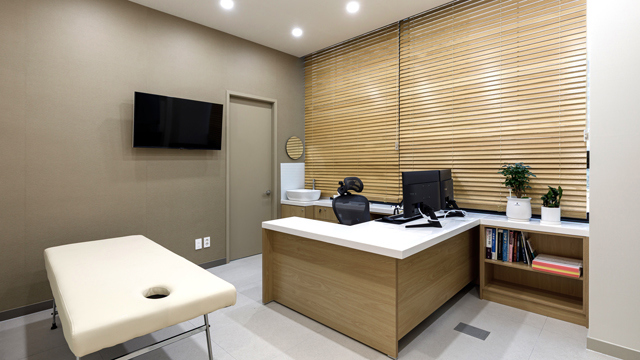
To arrange a sleep disorder consultation in Gangdong-gu, Seoul, contact Seoulhoho Hospital. Seoulhoho Hospital is in Gangdong-gu, Seoul. The clinic is open Monday, Tuesday, Thursday and Friday 09:00–20:00, and Wednesday and Saturday 09:00–13:00, with lunch from 13:00 to 14:00, and is closed on Sundays and public holidays. If you are travelling, say how long you will be in Korea when you enquire — with an overnight study and a results consultation, the calendar decides what is possible.
Disclaimer
Medical information provided by Seoulhoho Hospital is for general informational purposes only and does not replace consultation, diagnosis, or treatment by a qualified medical professional. Individual treatment suitability and outcomes may vary. Please consult the hospital for personalized medical advice.
Sources & Further Reading
Related Services
Procedures available within our clinical departments.
Epilepsy
Epilepsy is a neurological disorder characterized by recurrent seizures caused by abnormal electrical activity in the brain. Diagnosis and treatment depend on the type and cause of seizures.
Learn More
Flu Test & Vaccination
A flu test helps identify whether symptoms are caused by influenza, while flu vaccination helps reduce the risk of infection and related complications.
Learn More
Facial Palsy
Facial palsy causes weakness or paralysis of the facial muscles, often affecting one side of the face. Seoulhoho Hospital provides evaluation and treatment based on the underlying cause and severity.
Learn More