Personalized Medical Care & Dedicated International Patient Concierge


Neurodegenerative Disease Management · Needs Clinic Confirmation
Stroke
Stroke occurs when blood flow to part of the brain is blocked or a blood vessel bleeds. Early diagnosis and treatment are essential to reduce brain damage and complications.
Schedule a ConsultationStroke
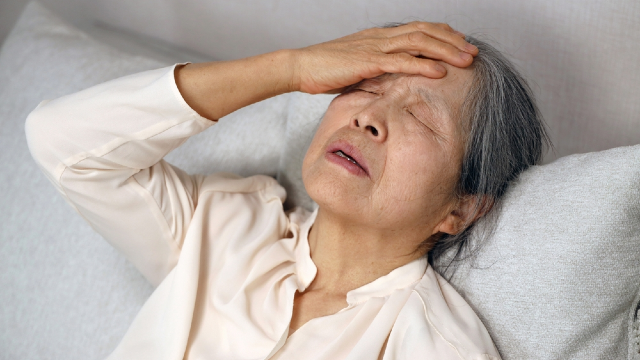
Medically reviewed by Dr.Ho-Sang Yoon, MD, Board-certified Neurologist
Stroke occurs when the blood supply to the brain is blocked or a blood vessel in the brain ruptures, causing brain-cell damage. It is a medical emergency requiring immediate evaluation and treatment, and nothing on this page changes that: if stroke symptoms are happening now, the right action is emergency services, not an appointment. What a neurology clinic in Seoul such as Seoulhoho Hospital contributes is everything around the emergency — recognising the warning signs, assessing risk factors, and neurologist-led follow-up once the acute episode has been treated.
What Is Stroke?
Stroke is damage to brain cells caused by an interruption of blood supply to part of the brain. It is mainly classified as ischaemic stroke and haemorrhagic stroke, and that distinction decides the treatment.
Ischaemic stroke follows a blockage of blood flow to part of the brain.
Haemorrhagic stroke follows the rupture of a blood vessel in the brain.
Evaluation generally includes assessment of symptoms and medical history, a neurological examination, and brain imaging to determine which of the two has occurred.
Additional tests may be performed to identify the cause.
Early detection and treatment can significantly affect prognosis.
The reason imaging comes before treatment is that the two stroke types need opposite interventions, and giving the wrong one is dangerous. NINDS's public stroke education makes the same point from the patient's side: the value of recognising warning signs is that it compresses the time before that imaging happens.
The warning signs matter more than the classification for anyone reading this in advance. The clinic lists the major symptoms as sudden facial asymmetry, weakness or paralysis of one arm or leg, speech difficulties, vision changes including double vision, dizziness, and sudden headache with vomiting. Note the time the symptoms started. That single piece of information affects which treatments are still available, and it is the detail patients most often fail to record. Most of those signs share one feature — they are sudden — and suddenness is what separates a stroke presentation from the gradual, recurring symptoms that an outpatient neurology appointment is designed for.
Who Performs Stroke Care at Seoulhoho Hospital

Dr. Ho-Sang Yoon M.D.
Representative Director and Neurology Specialist
He is a board-certified neurologist, a graduate of Dongguk University College of Medicine who completed neurology specialist training at Dongguk University Hospital, and a former clinical professor at the Seoul National University Bundang Hospital Sleep/Epilepsy Center and at Dongguk University Ilsan Hospital. He is a full member of the Korean Stroke Society, as well as of the Korean Neurological Association and the Korean Society of Clinical Neurophysiology. The clinic's relevant capability is diagnostic and preventive rather than surgical: cerebral blood-flow ultrasound is available on site, and the clinic's stated stroke approach includes monitoring cerebral blood-vessel stenosis and managing risk factors such as high blood pressure, diabetes, and heart disease.
Stroke Types and How They Are Treated
Treatment differs according to stroke type. The table below describes the category, not a service offered at this clinic — acute treatment of either type is delivered in an emergency hospital setting.
Stroke type | What has happened | Treatment approaches described for it |
|---|---|---|
Ischaemic stroke | Blood flow to part of the brain is blocked | Thrombolytic medication, clot-removal procedures such as angioplasty, anticoagulant treatment |
Haemorrhagic stroke | A blood vessel in the brain has ruptured | Medication, endovascular treatment, or surgery, depending on the cause |
The clinic identifies thrombolytics, angioplasty, anticoagulants, emergency first aid, and risk-factor management as the relevant stroke treatment and prevention approaches. The first three of those belong to acute hospital care. The last two are where an outpatient neurology clinic does its work.
Who Is a Good Candidate for Stroke Care at This Clinic?
Stroke is an emergency rather than an elective procedure, and nobody with suspected stroke symptoms should postpone evaluation against suitability criteria. The clinic appointment is for the people on either side of the acute event:
People who want stroke risk factors assessed — high blood pressure, diabetes, heart disease.
People who want cerebral blood-vessel stenosis monitored.
Patients who have had a stroke elsewhere and want neurologist-led follow-up.
Patients who want to understand the cause of a stroke already treated.
Patients with stroke-adjacent symptoms — recurring dizziness, transient weakness, speech changes that resolved — that need a neurological explanation.
Patients who want previous imaging and reports reviewed by a neurologist.
Anyone currently experiencing sudden facial asymmetry, one-sided weakness or paralysis, speech difficulty, vision change, sudden dizziness, or sudden headache with vomiting needs immediate emergency evaluation instead.
What to Expect: Procedure, Recovery, and Results Timeline

For the acute event, the sequence is fixed and starts outside the clinic. If stroke symptoms appear, contact emergency services immediately. At hospital, the stroke type and cause are assessed, and appropriate emergency treatment follows; depending on type, that may be thrombolytic medication, angioplasty or another procedure, anticoagulants, or surgery. Because stroke is an emergency, there is no routine pre-procedure preparation; where treatment is planned after a diagnosis, the medical team's instructions on medication, history, and tests govern.
Stage | Timing |
|---|---|
Emergency assessment and treatment | Should begin as quickly as possible |
Hospital stay | Several days or longer, by type and severity |
Rehabilitation start | May begin in hospital within 1–2 days |
Recovery | Weeks, months, or years |
Follow-up care | As needed, alongside risk-factor management |
Recovery varies considerably depending on the size and location of the brain injury. Changes may become noticeable during the early recovery period, but improvement can continue for weeks, months, or longer. There is no point at which a final outcome can be declared on a schedule: long-term outcome depends on the individual's brain injury and on rehabilitation. Duration and the number of hospital visits vary with the type and severity of the stroke, the treatment required, and the patient's recovery.
For patients travelling, the constraint is medical rather than logistical. Length of stay in Korea varies with the type and severity of stroke, the treatment required, and recovery; patients may remain hospitalised for several days or longer, followed by follow-up or rehabilitation care. Air travel should happen only after the treating doctor confirms it is safe, and that judgement depends on the stroke type, the treatment received, and overall medical stability.
Aftercare is prevention. The clinic recommends managing stroke risk factors such as high blood pressure, diabetes, and heart disease, monitoring cerebral blood-vessel stenosis, and maintaining a healthy lifestyle. Treatment aims to restore or protect brain function, reduce complications, and prevent another stroke — the third of those being the part an outpatient clinic can keep working on indefinitely.
Combining Stroke Care with Other Services
- Cerebral blood-flow ultrasound. Available on site for monitoring cerebral blood-vessel stenosis.\n \n- Dizziness evaluation. Central causes of dizziness include cerebrovascular disease, and the clinic's dizziness testing is built to separate central from peripheral causes.\n \n- Internal medicine. Blood pressure, blood testing, and general health screening cover the main modifiable risk factors.\n \n- Headache assessment. Sudden severe headache is a stroke warning sign; recurring headache is a separate neurological question, assessed in the same department.\n \n- Epilepsy follow-up. Post-stroke seizures are a recognised concern, and EEG is interpreted by a neurologist at this clinic.\n \n\nThe reason these combinations sit together rather than in separate referrals is that the symptoms overlap at the edges. Transient weakness that resolves, a speech change that lasted twenty minutes, or a new pattern of dizziness are the presentations where the difference between a stroke-related event and something else is a clinical judgement made on history plus testing, not on the symptom name. Keeping that judgement with one neurologist who has both the cerebral blood-flow ultrasound and the vestibular and autonomic testing available is the practical argument for assessing it in one place. Read more about Seoulhoho Hospital, or contact the clinic to arrange a risk-factor or follow-up assessment.\n\n### Safety, Precision, and Clinic Standards\n\n
 \n\nSudden severe headache, sudden weakness or numbness on one side, sudden trouble speaking or understanding speech, sudden vision loss, or a first-ever seizure are medical emergencies: call local emergency services rather than booking an outpatient appointment.\n\nThe honest safety statement for stroke is about severity rather than about procedure risk. Stroke can result in permanent brain damage, disability, or death. Possible lasting problems include weakness, speech or language difficulties, cognitive problems, swallowing difficulties, and sensory changes. Stroke itself may not always cause pain, although some people experience a sudden severe headache, particularly with certain stroke types — and a sudden severe headache is itself a reason for emergency evaluation.\n\nThe clinic's stated approach to reducing risk has three parts: immediate emergency treatment when stroke occurs, appropriate treatment according to the condition, and prevention through management of risk factors including high blood pressure, diabetes, heart disease, and cerebral blood-vessel stenosis. Only the third is delivered here, and that boundary is deliberate: an outpatient neurology clinic that implied it could handle an acute stroke would be a dangerous thing to publish.\n\nConsultations are supported by AI real-time translation (smart glasses), which is assistive technology and not a professional medical interpreter service. This clinic does not provide emergency or after-hours care, and no dedicated emergency contact or after-hours policy for English-speaking patients is documented. Seoulhoho Hospital is a registered medical institution in South Korea with business registration number 287-93-01985, and a Registered Medical Institution for Attracting Foreign Patients certified by the Ministry of Health and Welfare under the Medical Overseas Expansion and Foreign Patients Attraction Act. Quality control is documented at physician level: the treating neurologist holds EEG and polysomnography quality-control certification, and the clinic states that studies of that kind are interpreted directly by a neurologist.\n\n### The Bottom Line\n\n- Stroke is a medical emergency: call emergency services, and note the time symptoms started.\n \n- Ischaemic and haemorrhagic stroke need different treatment, which is why brain imaging precedes it.\n \n- Acute stroke treatment is hospital-based; this clinic's role is risk factors, vessel monitoring, and neurologist-led follow-up.\n \n- Recovery can continue for weeks, months, or years, and no final outcome can be declared on a schedule.\n \n- Fly home only after the treating doctor confirms that air travel is safe.\n \n\n### Frequently Asked Questions\n\nWhat do I do if I think someone is having a stroke?\n\nContact emergency services immediately, and note the time the symptoms started. Do not wait to see whether the symptoms settle, and do not try to manage suspected stroke symptoms at home. The timing information matters because it affects which treatments remain available.\n\nCan this clinic treat an acute stroke?\n\nNo. Acute stroke treatment — thrombolytic medication, clot removal, endovascular treatment, surgery — is emergency hospital care. Seoulhoho Hospital is an outpatient neurology clinic, and its stroke-related work is risk-factor assessment, monitoring of cerebral blood-vessel stenosis, and follow-up after an acute event has been treated.\n\nI had a stroke at home. Can I be followed up here?\n\nThat is one of the reasons to book. Bring imaging, discharge documentation, and your medication list; a neurologist can review what was found, discuss the cause, and work through the risk factors that affect whether another stroke happens. Recommended care should also continue with your providers in the United States.\n\nDoes a stroke hurt?\n\nNot always. Stroke itself may cause no pain, although some people experience a sudden severe headache, which is more typical of certain stroke types. That symptom is not a reason to wait and see — a sudden severe headache requires emergency evaluation regardless of what else is happening.\n\nHow long will recovery take?\n\nThat depends on the size and location of the brain injury. Rehabilitation may begin in hospital within one to two days, and recovery can continue for weeks, months, or years. Some patients are left with lasting disability, and the clinic does not state a typical recovery period because there is not one.\n\nWhen can I fly?\n\nOnly after the treating doctor confirms that air travel is safe. That decision depends on the stroke type, the treatment received, and whether you are medically stable, and it is not a decision that can be made from a timetable.\n\nWhat can I do to reduce the risk of another stroke?\n\nThe clinic's answer is risk-factor management: high blood pressure, diabetes, and heart disease, alongside monitoring of cerebral blood-vessel stenosis and a healthy lifestyle. Those are the levers that remain available long after the acute event, and they are the ones an outpatient clinic can keep reviewing.\n\nHow long would I need to stay in Korea?\n\nFor an acute stroke the answer is not a travel question — it depends on severity, treatment, and recovery, and may mean several days or longer in hospital plus follow-up or rehabilitation. For a planned risk-factor or follow-up consultation, ask the clinic when you enquire, since it depends on which tests are wanted.\n\n### Book a Consultation at Seoulhoho Hospital\n\nFor stroke risk-factor assessment or neurologist-led follow-up in Gangdong-gu, Seoul, contact Seoulhoho Hospital. Seoulhoho Hospital is in Gangdong-gu, Seoul. Opening hours are Monday, Tuesday, Thursday and Friday 09:00–20:00, Wednesday and Saturday 09:00–13:00, with lunch from 13:00 to 14:00, closed Sundays and public holidays. If symptoms are happening now, call emergency services instead of the clinic.\n\n### Disclaimer\n\nMedical information provided by Seoulhoho Hospital is for general informational purposes only and does not replace consultation, diagnosis, or treatment by a qualified medical professional. Individual treatment suitability and outcomes may vary. Please consult the hospital for personalized medical advice.\n\n### Sources & Further Reading\n\n- NINDS — Know Stroke
Other Services
Explore additional treatments offered by our specialists.
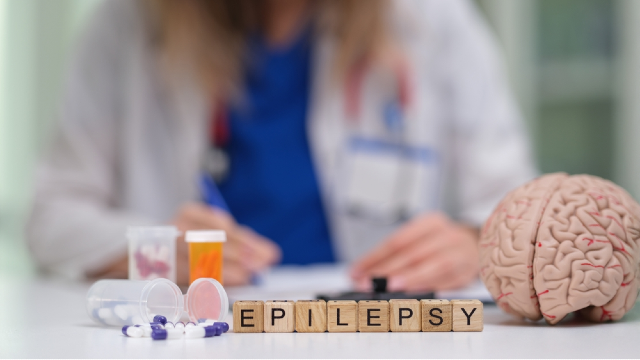
Epilepsy
Epilepsy is a neurological disorder characterized by recurrent seizures caused by abnormal electrical activity in the brain. Diagnosis and treatment depend on the type and cause of seizures.
Learn More
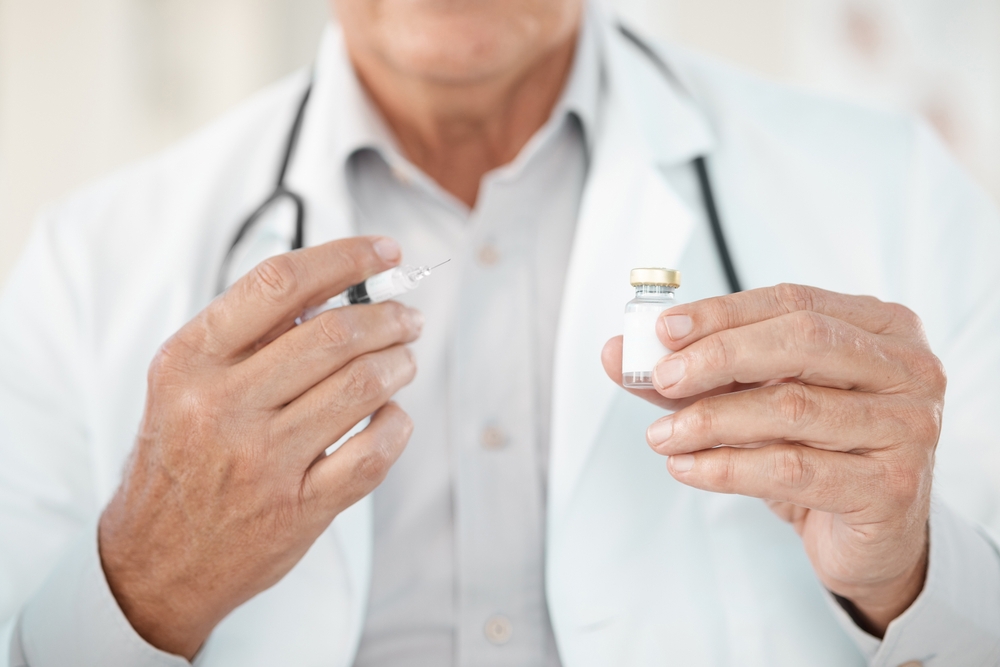
Flu Test & Vaccination
A flu test helps identify whether symptoms are caused by influenza, while flu vaccination helps reduce the risk of infection and related complications.
Learn More

Facial Palsy
Facial palsy causes weakness or paralysis of the facial muscles, often affecting one side of the face. Seoulhoho Hospital provides evaluation and treatment based on the underlying cause and severity.
Learn More